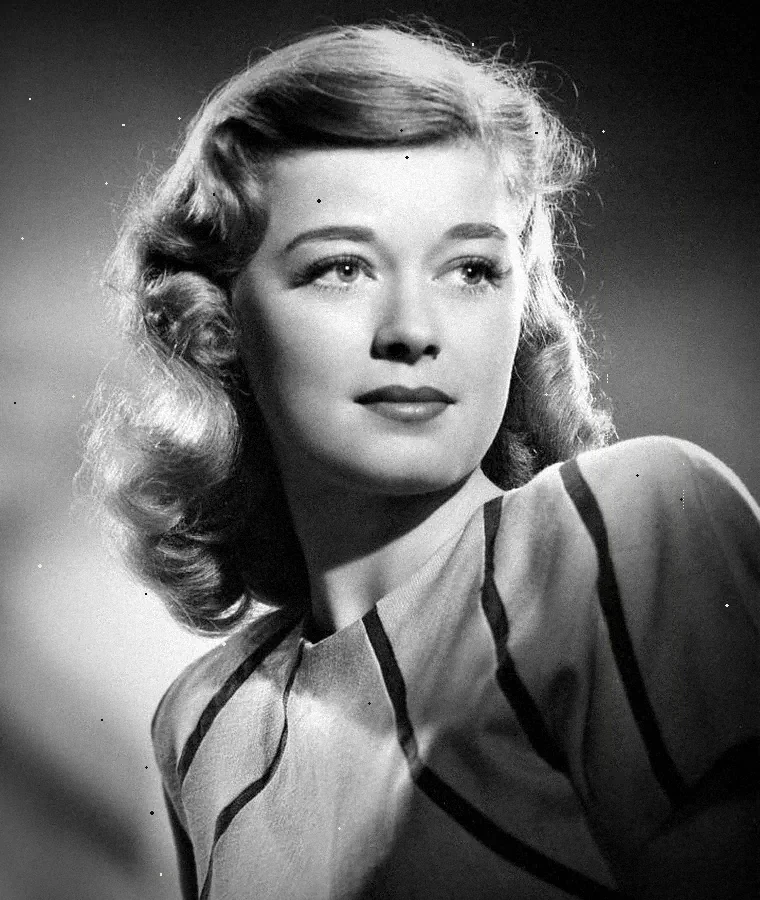
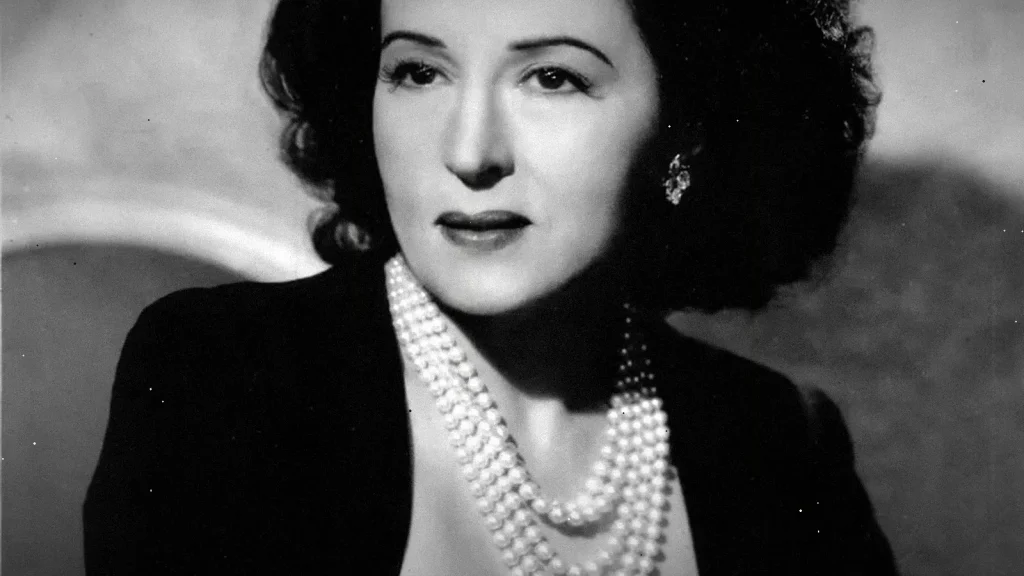
In Mulholland Drive, David Lynch builds a story that looks simple on the surface: an aspiring actress helps an amnesiac woman in a Los Angeles of dreams and nightmares.
Mulholland Drive is not a film that explains itself, but one that invites us to dream its contradictions. That sentence may be the best way into a film we have been discussing for years.
What sets the film apart from its contemporaries is its trust in time. Shots are allowed to breathe, and the viewer is given room to live inside the story rather than chase it. The slowness is not hesitation; it is confidence.
The camera explains little and observes much. Frames often leave something out, and that absence creates meaning. Sound tells as much as image—sometimes a distant noise rewrites an entire scene.
The performances are unshowy and exact. No moment is built to display skill; everything serves the people on screen. Perhaps that is why, years later, faces linger longer than lines.